From Analytics to Strategy: Applying Ecommerce Analytics to Optimize Your Multi-Channel Framework
Ecommerce analytics act as a foundation for organizations looking to optimize their cross-channel approaches. By transforming raw data into valuable insights, businesses can elevate customer satisfaction and refine marketing campaigns. Essential metrics expose patterns in customer activity, directing data-driven choices. However, the process of effectively leveraging this data is often complex. Comprehending the intricacies of these metrics can uncover meaningful benefits for companies navigating a competitive market. What actions are necessary to fully leverage this potential?
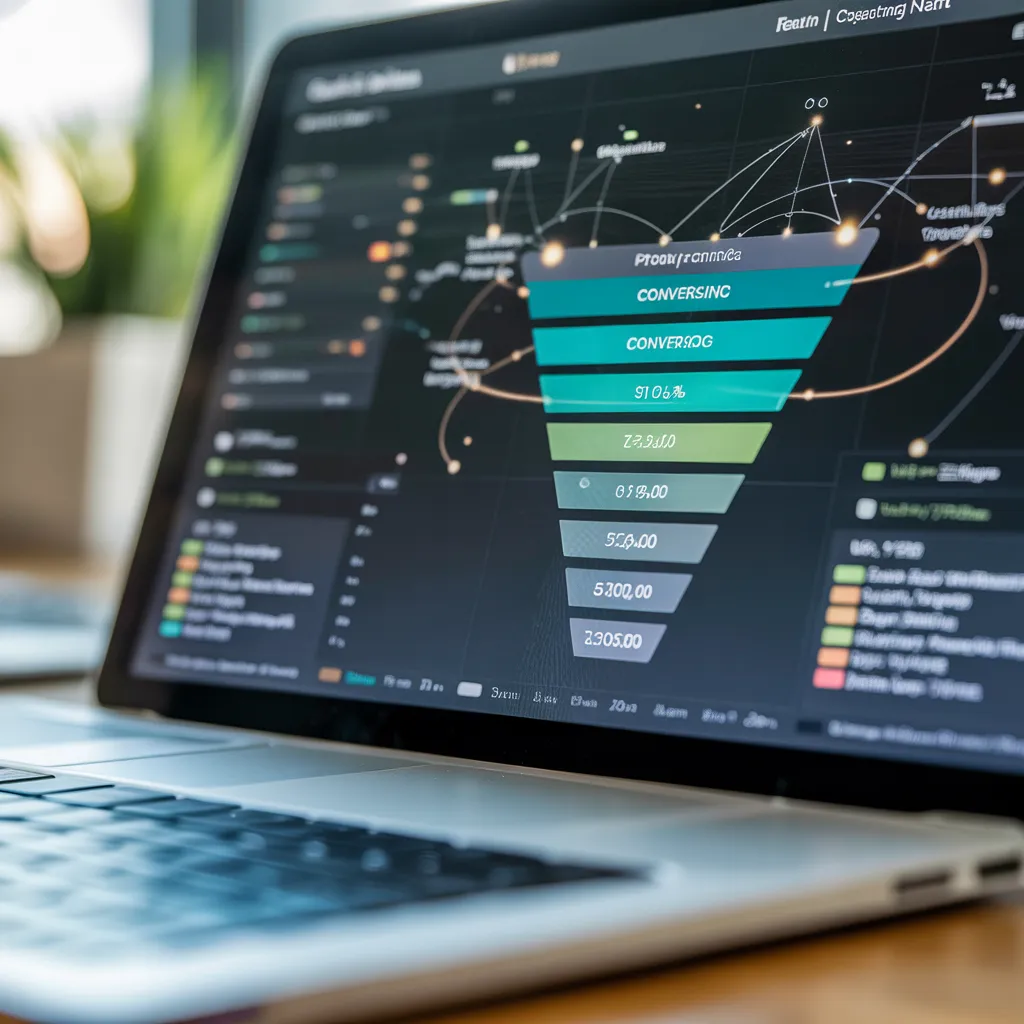
Exploring Ecommerce Analytics: Why It Is Important
In today's highly competitive digital environment, grasping ecommerce analytics is essential for businesses looking to enhance their performance. Ecommerce analytics involves gathering and copyrightining data connected to online shopping patterns, sales movements, and customer engagements across multiple platforms. By capitalizing on these insights, businesses can pinpoint the factors that boost customer engagement and conversion rates.
Furthermore, ecommerce analytics enables enterprises to gauge the effectiveness of their promotional strategies, inventory control, and overall user experience. This understanding enables businesses to arrive at informed decisions, customize their offerings, and elevate customer satisfaction. As customers continue to engage through multiple channels, grasping the nuances of their behaviors becomes essential for sustained growth. In essence, a solid command of ecommerce analytics provides businesses with the tools required to respond to market changes and improve their competitive edge in a fast-moving marketplace.
Essential Online Retail Performance KPIs for Multi-Channel Growth
What key metrics are necessary for managing the intricacies of a multi-channel ecommerce framework? Fundamental performance indicators (KPIs) like conversion rate, customer acquisition cost, and average order value act as primary benchmarks. Conversion rate gauges the share of visitors who successfully make a purchase, emphasizing the impact of marketing campaigns across channels. Customer acquisition cost represents the expenditure required to attract new customers, allowing businesses to assess their marketing strategies' effectiveness. Average order value delivers understanding of consumer spending habits, shaping pricing and promotional approaches.
Moreover, metrics such as return on advertising spend (ROAS) and customer lifetime value (CLV) give enhanced perspective on long-term customer engagement and profitability. Monitoring these metrics allows ecommerce businesses to enhance overall performance, identify successful channels, and optimize resource allocation. Through careful attention to these critical analytics, organizations can develop strategic insights that support multi-channel achievement.
How to Gather Data Across Multiple Platforms
Effective data collection across diverse platforms is vital for improving a multi-channel ecommerce strategy. Organizations can leverage numerous tools to obtain insights from various sources, including email read the full story marketing, websites, and social media platforms. Leveraging analytics platforms like Google Analytics allows monitoring of user behavior and conversion metrics across channels.
Incorporating Customer Relationship Management (CRM) systems aids in consolidating client information, offering a complete understanding of customer habits and preferences. Furthermore, leveraging API integrations can facilitate seamless data sharing between platforms, guaranteeing instant updates and actionable insights.
Surveys and feedback forms can likewise serve as valuable tools for gathering qualitative data directly from customers. By leveraging these methods, businesses can create a robust data ecosystem that enhances decision-making processes. This comprehensive approach to data collection not only enriches understanding of customer journeys but also sets the stage for future personalized experiences.
Using Customer Behavior Data to Personalize Shopping Experiences
In the world of ecommerce, harnessing consumer behavior analytics can significantly improve the shopping experience. By implementing tailored product recommendations, businesses can guide consumers toward items that align with their preferences. Furthermore, dynamic pricing strategies enable real-time modifications that mirror personal purchasing behavior, enhancing both user involvement and conversion rates.
Tailored Product Recommendations
Customized merchandise recommendations greatly enhance the e-commerce experience by leveraging customer behavior data. By evaluating previous buying history, search activity, and product ratings, e-commerce platforms can create personalized suggestions that align with unique consumer needs. This focused strategy not only increases customer satisfaction but also strengthens brand commitment, as buyers feel acknowledged and respected. Additionally, applying artificial intelligence tools allows companies to improve their recommendations over time, responding to evolving shopper habits and tastes. As a result, tailored recommendations produce greater conversion rates and mean purchase totals, thereby resulting in increased revenue. By prioritizing personalized experiences, retailers can effectively differentiate themselves in a competitive market. This approach illustrates how behavioral intelligence can transform the shopping journey into a highly interactive and meaningful encounter.
Dynamic Pricing Strategies
Dynamic pricing models transform how online retailers respond to customer behavior, facilitating real-time adjustments based on demand, competition, and individual purchasing patterns. By evaluating buyer data, companies can pinpoint patterns and inclinations, tailoring prices to enhance the shopping experience. For instance, prices may shift depending on the time of day, seasonality, or consumer demographics, effectively enticing potential buyers. This approach not only boosts earnings but also enhances buyer contentment by delivering customized promotions. Additionally, integrating dynamic pricing with analytics fosters a competitive edge, as organizations can quickly adjust to marketplace fluctuations. Ultimately, utilizing consumer behavior insights for rate-setting converts routine purchases into tailored encounters, promoting retention and sustained expansion in a multi-channel environment.
How to Utilize Data to Strengthen Marketing Strategies
Robust marketing plans are built upon an in-depth knowledge of audience segmentation analysis and campaign effectiveness metrics. By leveraging data insights, companies can customize their marketing initiatives to connect with targeted consumer groups. This targeted approach not only boosts audience engagement but also improves total campaign performance.
Target Audience Analysis
Recognizing the intended audience is crucial for optimizing marketing approaches in a multi-platform ecommerce landscape. By leveraging data-driven insights, businesses can pinpoint demographic patterns, preferences, and purchasing behaviors. Dividing the target audience based on such findings allows for tailored marketing campaigns that connect more powerfully. For illustration, evaluating user interactions across multiple platforms can reveal which platforms produce the greatest engagement, guiding resource allocation. Furthermore, leveraging psychographic insights allows businesses to craft messages that align with their consumers' values and way of life. Continuous monitoring of consumer data guarantees that marketing approaches stay current and adaptive to shifting market trends. In conclusion, a well-informed target audience analysis improves the accuracy of promotional activities, driving improved customer acquisition and retention rates.
Campaign Performance Metrics
Analyzing campaign performance metrics delivers critical information that can improve advertising efforts in a multichannel digital marketplace. Through monitoring key indicators such as conversion percentages, return on advertising investment (ROAS), and consumer participation, organizations can pinpoint which marketing avenues produce the greatest return on investment. Reviewing data points including audience click metrics (CTR) and mean transaction value (AOV) helps advertisers gain insight into customer patterns and inclinations. Additionally, dividing information by audience segment or platform enables targeted adjustments in campaigns, guaranteeing optimal resource distribution. Regularly reviewing these indicators encourages a framework for evidence-based strategies, empowering campaign managers to refine their strategies in real-time. Ultimately, leveraging campaign performance metrics is essential for maximizing advertising effectiveness and achieving sustained growth in a rapidly evolving online retail landscape.
Crafting a Seamless Client Journey Using Insights
A thoughtfully developed customer journey can substantially strengthen a business's ability to reach and hold onto customers across diverse marketing channels. By taking advantage of ecommerce analytics, brands can obtain critical information into customer actions and interests. This data allows for the recognition of key touchpoints where customers engage with the organization, enabling a deeply customized experience.
Comprehending the customer journey entails processing data from various sources, such as online engagement, social media interactions, and email responses. Such information can help organizations refine their content and personalize outreach to unique preferences, creating a seamless journey. Additionally, gathering customer input and pain points opens doors for sustained growth.
At its core, a cohesive customer journey not only strengthens loyalty but also improves conversion rates. By leveraging analytics purposefully, brands can develop a comprehensive approach that resonates with customers, prompting them to participate across multiple platforms while deepening their connection to the brand.
Ecommerce Analytics Success Stories From Leading Brands
Success in ecommerce analytics is commonly highlighted through the significant evolution of top brands. Brands such as Amazon and Nike illustrate how analytics-driven approaches can improve customer engagement and drive sales. Amazon utilizes advanced algorithms to analyze purchasing patterns, enabling customized recommendations that substantially improve conversion rates.
Nike, alternatively utilizes data analytics to enhance its multi-channel strategy. Through the combination of digital and physical data, Nike has enhanced stock management and tailored its marketing efforts, driving greater customer retention and financial growth.
In the same way, the beauty retail giant Sephora harnesses data analytics to improve its customer experience through personalized promotions and loyalty initiatives, leading to greater customer retention. These notable cases illustrate the remarkable impact ecommerce analytics can have, allowing companies to make informed decisions and refine their strategies effectively. As market dynamics shift, the ability to interpret data will remain a critical factor for achieving success in the ecommerce marketplace.
Common Questions and Answers
How Regularly Should I Analyze My Ecommerce Analytics Data?
Consistently analyzing online store analytics weekly empowers organizations to identify trends, optimize strategies, and make informed decisions. Comprehensive monthly evaluations additionally improve insight into and alignment with shifting market conditions.
What Tools Are Best for Tracking Multi-Channel Performance?
HubSpot, SEMrush, and Google Analytics are powerful platforms for measuring cross-channel performance. They deliver extensive analytics, allowing users to evaluate data across diverse channels, refine marketing strategies, and boost overall marketing performance for better decision-making.
Is It Possible to Integrate Analytics With My Current CRM System?
It is entirely possible to integrate analytics with an existing CRM system. Numerous CRM platforms provide built-in capabilities or compatible plugins that enable data synchronization, empowering businesses to harness insights for greater customer engagement and more informed decision-making.
How Do I Protect Data Privacy Within My Analytics Approach?
To protect data privacy in data analytics, businesses should establish robust encryption, conduct regular audits, and follow guidelines like privacy frameworks. Educating staff on data handling practices helps secure private information while upholding consumer confidence.
What Common Mistakes Should I Avoid With Ecommerce Analytics?
Typical missteps in ecommerce analytics include neglecting data accuracy, failing to set clear objectives, disregarding customer grouping, ignoring mobile metrics, and neglecting to periodically evaluate data insights. Such mistakes can impede sound decision-making and strategic planning.